

No products in the basket.
All Articles
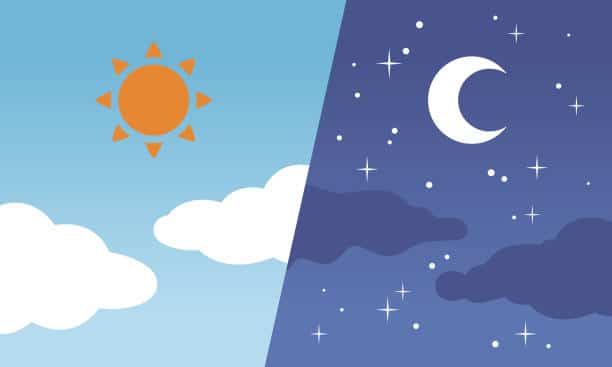
Are you an early bird or a night owl?
14
Feb
Feb
Knowing your most active hours can help you improve your productivity both at work and at home
Some people can wake up at the crack of dawn ready to go, and others can stay awake into the wee small hours completing the day’s tasks. Very few of us can do both, of course. But which one is better?
Most of us know off the top of our heads whether we’re an early riser or a burner of the midnight oil, but what exactly are the differences between the two? And why is it that people are so noticeably different in their circadian rhythms? We’re going to take a closer look at all of these questions.
What are the differences between early birds and night owls?
The main differences between an early bird and a night owl are well known to most of us. Early birds are most active in the morning, and tend to wake up and go to bed early. Meanwhile, night owls have more energy at, well, night. They stay up late and like to sleep in.
But there are more factors to consider here. Early birds also feel their best at the start of the day and have less energy as the afternoon and evening wear on. As such, they tend to have a difficult time staying awake after a certain time.
Night owls feel best later in the day, often waking up feeling groggy for the first 30-60 minutes in the morning. They have a hard time staying alert in the mornings but fill with more energy through the evening and into the night.
Why do some people like mornings and others don’t?
Your sleep schedule and circadian rhythm create a chicken-and-egg cycle where one infinitely impacts the other. You can alter your natural body clock by training your body to wind down and perk up at the same time each day. However, there are also genetic factors to your circadian rhythm that can impact when you tend to fall asleep and wake up.
A study by 23andme asked more than 90,000 participants to state whether they were a morning or a night person. They then looked at their DNA and found 15 genetic variants linked to being a morning person. Sex and age also played a role: 48.4% of women considered themselves early birds (compared to 39.7% of men) and those over 60 were far more likely to prefer mornings than people under 30.
Is it better to be an early bird or a night owl?
As long as you’re getting the 7–9 hours of high quality sleep recommended by the National Sleep Foundation each night, it doesn’t really matter what time you choose to wake up and go to sleep. However, our society is tailored to suit early birds more than night owls, with most jobs and schools requiring you to start early in the morning.
What’s more, some studies have found that early birds tend to be happier than night owls overall. This may be due to a prolonged exposure to natural light, which is linked to our brain’s release of serotonin, otherwise known as your natural ‘happy hormone’.
How do you become an early bird?
As we’ve mentioned, it is possible to alter your circadian rhythm by changing your sleep behaviours. Gradually altering your sleep schedule can help you get used to a different routine, going to bed and waking up a little bit earlier every few days. Once this new schedule is in place, you should aim to stick to it every day.
As well as this, you should expose yourself to natural light and fresh air as soon as possible in the morning, and limit your caffeine intake in the afternoon. Try to set aside an hour of wind down time before you go to bed each night. This means foregoing screens and social media in favour of a relaxing activity like meditation, reading, stretching or a hot bath.
Looking to improve your sleep quality? Start by getting the sleep surface right. Explore the Mammoth Perks range today here.