

No products in the basket.
All Articles
The link between diet and sleep quality: 6 foods to embrace and avoid
16
May
May
Healthy digestion and healthy sleep are inextricably linked, so which foods you eat before bed could have a significant impact on how well-rested you feel in the morning.
Both insomnia and poor diet can cause long-term serious health problems, from high blood pressure to mental health issues, but a diet which aids restful sleep will help keep you healthy, happy, and ready to face the day.
Here are some foods you should avoid, and others you should embrace, for a good night’s sleep.
Avoid alcohol and caffeine
A glass of wine or two before bed might seem like the perfect way to drift off, but alcohol is often more of a hindrance to good sleep than a help.
While alcohol will help you pass out, it will also make you more likely to wake up during the night. If you suffer from sleep apnoea, or are a heavy snorer, alcohol will only exacerbate these problems, and may give you a nasty case of acid reflux to boot.
Caffeine is just as bad for sleep quality, making it harder to fall asleep in the first place. It is a stimulant, keeping your mind active and therefore less able to fall into the deeper sleep stages. Be sure to check the labels on sodas, ice cream, and sweets, so you can avoid hidden caffeine in the 4 – 6 hours before heading up to bed.
Embrace camomile tea
Instead of a nightcap or an after-dinner coffee, try a cup of camomile tea to help you relax in the evening.
Camomile contains antioxidants which bind certain receptors in the brain, helping you to unwind and grow sleepy. The fragrant, delicate taste is also a plus.
Avoid spicy food
Spicy food can give you heartburn and indigestion, but it also raises your body temperature.
As the body prepares for sleep, it begins to cool down because it is using less energy. If you raise your temperature by eating spicy foods, doing some late-night exercise, or turning up the thermostat, you will find yourself less able to relax, and more likely to toss and turn long into the night.
Embrace protein
Eating small amounts of protein before bed is thought to promote tiredness, and result in less waking throughout the night.
High protein, low fat food like turkey may therefore promote tiredness. Turkey in particular contains the amino acid tryptophan, which increases the amount of melatonin your brain produces. Melatonin regulates your internal clock, signalling to your body that it’s time to sleep.
Nuts, especially almonds, are another good source of protein and melatonin. Almonds are also full of vitamin B and magnesium, two things which are thought to reduce insomnia. Additionally, their plentiful healthy fats and fibre reduce the risk of heart disease and diabetes.
Avoid excess sugar
Desserts, sweets, chocolate, and sugary drinks will make your blood sugar spike, then crash, which will play havoc with your sleep pattern.
Foods which release their energy slowly will help you relax more, instead of foods which unleash all their energy in one go.
Embrace kiwis and cherries
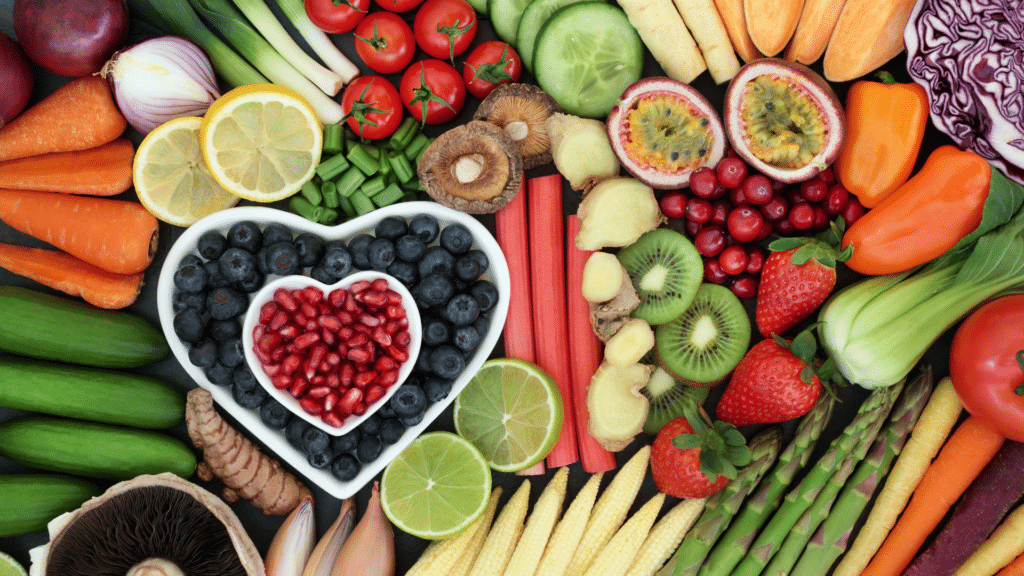
Kiwis are nutritious and packed full of fibre and antioxidants, aiding your digestive health and therefore your sleep health.
They also provide you with serotonin, a chemical which aids rest and helps you feel content and relaxed.
Similarly, cherry juice contains plentiful antioxidants to aid sleep health, including melatonin. Both cherries and kiwis are known for their anti-inflammatory properties, so if your insomnia is due in part to joint pain, they may be just the solution you’ve been waiting for.
A healthy diet makes for restful sleep, which makes for a longer, happier life.
Looking to improve your sleep quality? Start by getting the sleep surface right. Explore the Mammoth Perks range today here.