

No products in the basket.
All Articles
Blue Monday: how does insomnia impact your mental health?
16
Jan
Jan
January can be a tough month for many of us, and a lack of sleep only exacerbates negative feelings
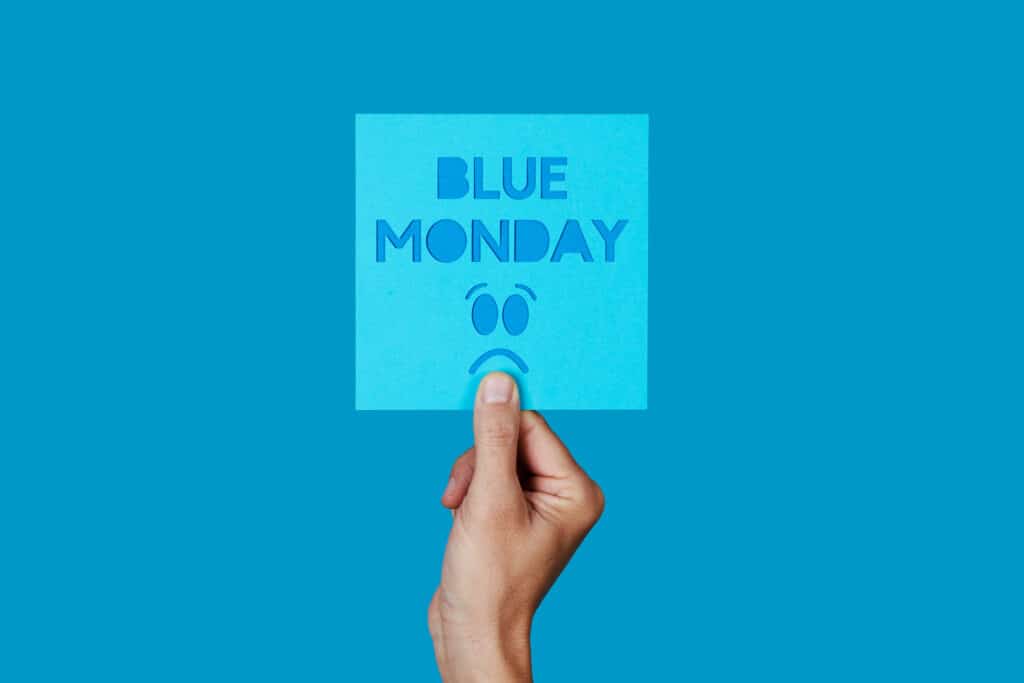
Monday 16th January 2023 is Blue Monday – the day of the year when experts theorise that we’re most at risk of feeling depressed. With the festive season a distant memory and winter still in full swing, our outlooks can be grim. Pair this will the lack of disposable income and failed resolutions that usually come with January, and it’s not hard to see why our mental health is at risk this time of year.
On Blue Monday, it’s more important than ever to take active steps to improve and protect your mental health, including getting better sleep. We’re going to take a closer look at the relationship between sleep and mental wellbeing to encourage better rest in your home this January.
Insomnia and mental health struggles create a vicious cycle
Sleep and mental health go hand in hand. When we lose sleep, our mental health suffers, and when our mental health suffers, we lose sleep. This creates a vicious cycle that can be difficult to break.
Feelings of stress or worry lead to a lack of sleep, which results in tiredness. This, consequently, leads to difficulty coping with daily struggles, which has the knock-on effect of creating more stress. And so the cycle continues.
What do sleep problems look like?
Sleep problems can take many different forms. While the most common sleep complaint is finding it difficult to fall asleep, other people complain of waking up during the night or waking up too early. You may also experience problems while asleep, such as flashbacks, nightmares or even psychosis.
Sleep problems can make it hard to wake up or get out of bed, and you may often feel tired or sleepy. You may find yourself falling asleep at times when you need to be awake, such as at work.
Mental health problems associated with sleeplessness
People who struggle with sleep are more likely to be anxious, depressed, or even suicidal. You’re more likely to have psychotic episodes or suffer from paranoia. You may feel lonely and isolated, struggle to concentrate, and feel irritable. You may find that your mental health problems are putting a strain on your relationships with friends and family.
What causes sleep problems?
As we mentioned earlier, sleep and mental health problems can create a vicious cycle. Stresses and worries – such as work or money issues – can make it harder to sleep and intensify these feelings further. You may also struggle to sleep due to other health concerns, medication, drugs and alcohol or current/past trauma. Being a parent or carer can impact your sleep quality, too.
The sleep environment can also have a very real effect on sleep patterns. A room that is too warm, a space that is too light or a bed that is highly uncomfortable can all result in sleep deprivation.
Improving your sleep
Giving yourself a sleep schedule you can stick to will teach your body and mind to wind down in the run up to bedtime. Aim to go to bed and wake up at roughly the same time every day, giving yourself at least an hour before bed to wind down away from work commitments and screens. Instead, try reading, meditating, stretching or enjoying a warm bath.
Your sleep environment should be cool and dark, and your bed should be comfortable. Try to stay out of your bedroom during the day so that your body learns to associate it purely with rest.
Taking simple steps towards better sleep can help you feel more rested, energised and positive in 2023.
The best sleep happens on a high-quality mattress, so check out the Perks range now. You can also explore the rest of our blog for more sleep news and tips.